Freight Trailer: Types, Uses, and Buying Considerations
Freight trailers are the unassuming giants that keep goods moving, from groceries to construction materials. Whether you’re managing a fleet or shopping for your first unit, knowing trailer types, capacities, and costs helps you avoid costly detours. This guide breaks down configurations, loading methods, and maintenance that shape safety and margins. We translate specs into real decisions with practical comparisons. Read on to turn uncertainty into confident choices.
Related searches

Freight trailers are the backbone of ground logistics, quietly linking factories, ports, warehouses, and storefronts. In many economies, road freight carries the majority of domestic goods by tonnage, and the trailer is where value rides. Choosing correctly affects on-time delivery, cargo integrity, safety, and cost per mile. This article offers a practical lens for buyers, operators, and curious readers who want to understand how these rolling enclosures shape the flow of commerce.
Outline of what we’ll cover:
– How trailers are built, measured, and matched to
tractors and cargo.
– The main types of freight trailers and what sets them
apart.
– Operational realities: loading, route conditions, and
industry use cases.
– Buying factors: materials, options, lifecycle cost, and
resale.
– Care, safety, and compliance to protect uptime and
people.
How Freight Trailers Work and Why They Matter
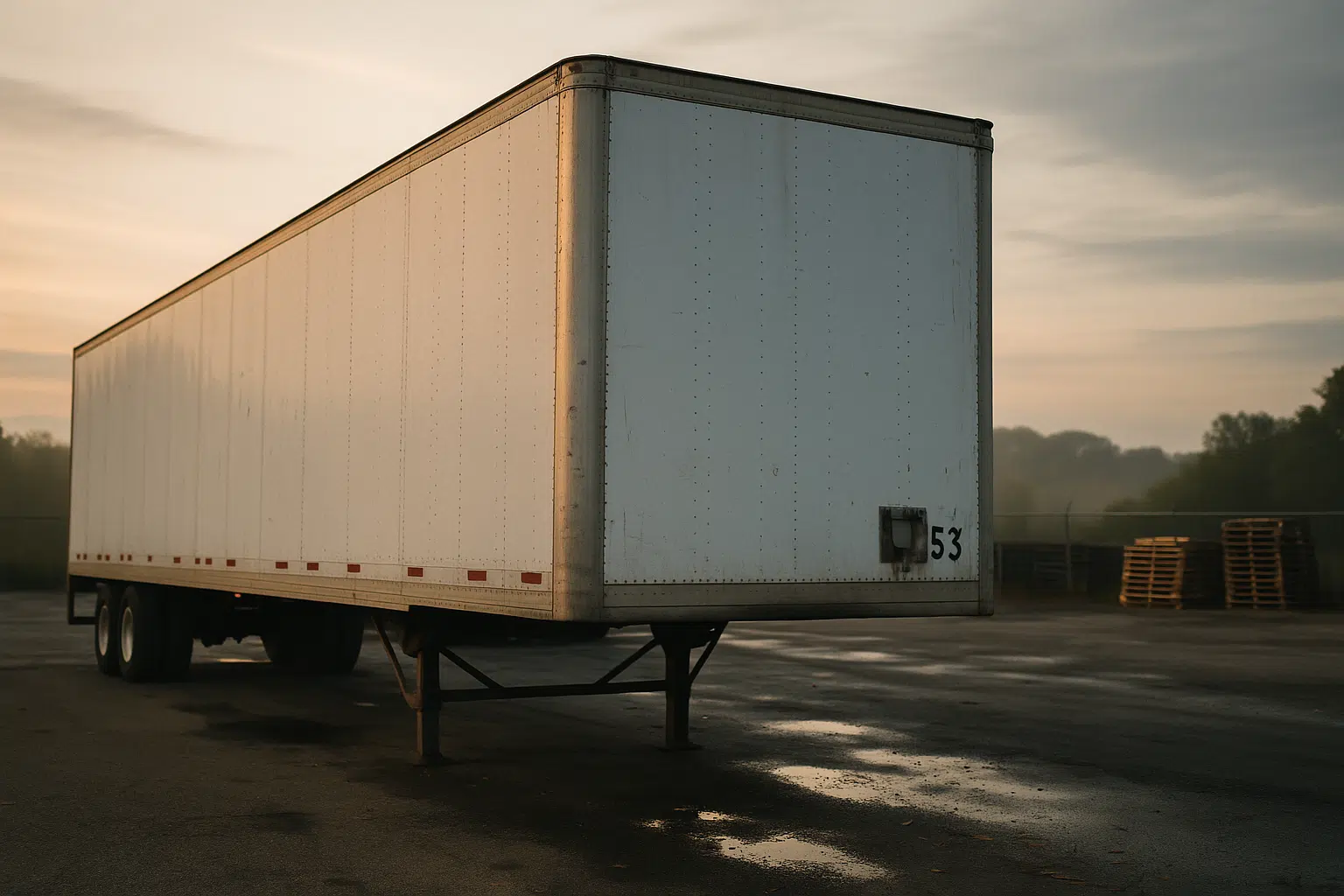
At a glance, a freight trailer seems like a metal box on wheels. Look closer and you find a finely balanced system designed to maximize payload while meeting strict rules on size, weight, and safety. The typical enclosed unit in long‑haul service measures about 53 feet in length and 102 inches in width, offering roughly 3,500 to 4,000 cubic feet of cargo space depending on interior design. Many regions cap gross vehicle weight around 80,000 pounds (about 36,300 kg) for standard tractor–trailer combinations, so the empty weight of the trailer directly influences how much product you can legally carry. That math becomes the heartbeat of profitability: lighter construction can lift payload, but it must still stand up to forklifts, pallet jacks, weather, and vibration.
Understanding the anatomy helps decode spec sheets. Key components include the chassis (frame rails, crossmembers), suspension (air or mechanical), axles and wheel ends, braking systems, floor and decking, sidewalls and roof skin, doors, lighting, and the kingpin and landing gear that interface with the tractor. Material choices—steel, aluminum, composites—shape weight, durability, corrosion resistance, and cost. Aerodynamic skirts and tails can reduce fuel burn for highway operations, while reinforced scuff liners and heavy‑duty floors endure high‑cycle loading in busy distribution lanes.
Operational realities dictate much of the design. Trailers face potholes, dock impacts, temperature swings, and uneven loading. Cargo securement standards require appropriate tie‑downs, load bars, or anchor points, especially for open‑deck equipment. Temperature‑sensitive freight calls for insulated shells and refrigeration units with accurate airflow management. Even lighting layout matters for visibility at night and during yard maneuvers. Think of the trailer as a movable building: it must be structurally sound, weather‑tight, easy to access, simple to maintain, and compliant wherever it travels. When a trailer is well matched to its lane and cargo, it protects goods, reduces delays, and turns miles into margin.
Common elements buyers and operators weigh include:
– Structural integrity: frame stiffness, crossmember
spacing, and floor rating for forklift traffic.
– Weight and capacity: tare weight, usable interior
height, and door opening dimensions.
– Compatibility: kingpin setting, swing clearance, and
dock height alignment across facilities.
Major Freight Trailer Types and How They Compare
No single trailer solves every task. The market provides several configurations, each optimized for a different blend of cargo protection, loading method, and route environment. Enclosed “dry” vans handle palletized goods that don’t require temperature control. Temperature‑controlled units add insulation and cooling systems to protect perishables or heat‑sensitive products, trading extra tare weight for precise conditions. Open‑deck options—flatbeds, step decks, and lowboys—carry oversized machinery, steel, lumber, or equipment that can be tarped and secured with chains and straps. Tankers transport liquids, gases, or food‑grade bulk with specialized linings and baffling to manage surge. Curtainsiders combine the weather protection of a box with the side access of a flatbed, speeding loading for awkward shapes. Intermodal chassis move standardized containers between ship, rail, and road, enabling seamless mode changes.
Each type has a distinct value proposition:
– Dry van: versatile, widely available, ideal for
consumer goods, packaging, and general freight.
– Temperature‑controlled: preserves shelf life and
product integrity across climates.
– Flatbed/step deck/lowboy: enables crane or side
loading and accommodates unusual heights and lengths.
– Tanker: purpose‑built for liquids and chemicals, with
strict cleanliness and safety requirements.
– Curtainsider: rapid side access without full tarping,
helpful for mixed‑dimension freight.
– Container chassis: integrates with global container
standards for intermodal efficiency.
Comparisons hinge on more than price. A flatbed might be lighter and faster to load at a jobsite but demands weather protection for sensitive cargo. A reefer safeguards pharmaceuticals or fresh food but burns fuel to maintain temperature and needs vigilant maintenance. Tankers can deliver high payload efficiency for dense liquids, yet require trained operators and periodic inspections for integrity. Meanwhile, intermodal chassis leverage rail economies on long hauls but may add handoff complexity. Even within a category, variations abound: interior height options in vans, deck heights in step decks, axle spreads for weight distribution, and door configurations such as swing or roll‑up. Selecting among them means weighing the real pattern of your freight—volume, weight, fragility, cube utilization—and matching it to the distances, docks, and dwell times in your network.
Practical rule of thumb: start with cargo needs, then layer in loading constraints and route realities. A trailer that lines up with actual freight and facilities will reduce handling, minimize claims, and support predictable cycle times.
Matching Cargo and Operations to the Right Trailer
Choosing a trailer is a logistics puzzle that starts with the commodity and ends with how and where it moves. Begin with cargo characteristics: weight per unit, total shipment mass, dimensions, stackability, and sensitivity to moisture, temperature, shock, or contamination. High‑cube but lightweight goods may “cube out” a van before reaching weight limits, so interior height and nose‑to‑door length matter more than sheer strength. Dense items like beverages or metals may “weigh out” first, making tare weight a critical constraint. If your freight is irregular—machinery, pipe, oversized skids—side loading on a flatbed or curtainsider can save hours at origin and destination.
Loading and unloading define the daily rhythm. Dock‑high facilities favor swing doors and standard deck heights; crowded city deliveries might benefit from roll‑up doors that open in tight alleys. Yard operations that use forklifts demand robust floors and scuff protection, while hand‑loaded routes might prioritize interior lighting and e‑track for flexible securement. If cranes or side loaders are common, open‑deck equipment eliminates workarounds. Consider dwell time too: a trailer sitting at a retailer’s dock for two days ties up capital, so drop‑and‑hook strategies with additional trailers can keep tractors moving.
Routes and environments add another layer. Long, flat highway miles reward aerodynamic add‑ons and low‑rolling‑resistance tires; mountainous terrain may call for brakes and wheel ends spec’d for sustained grades. In regions with winter road treatments, corrosion‑resistant materials and sealed wiring harnesses pay dividends. If you cross borders or switch modes, compatibility with local length, height, and lighting rules avoids delays. For temperature‑controlled cargo traveling through hot or cold seasons, insulation thickness, door seal quality, and airflow management determine fuel use and product outcomes.
To translate needs into specs, map your typical week of loads
and facilities. Then pressure‑test candidate trailers against
that profile:
– Can it load at all your docks without adapters or
special ramps?
– Does the interior geometry fit common packaging and
pallet patterns?
– Are tie‑downs, e‑track, or d‑rings located where your
crews actually use them?
– Will axle spacing and suspension type help distribute
weight to meet regional limits?
The right match often emerges from these practical questions. When the trailer fits the freight and the workflow, handling drops, claims decline, and drivers spend more time rolling and less time wrestling with the wrong tool for the job.
Buying Considerations: Materials, Specs, and Total Cost
Price tags tell only part of the story. A smart purchase weighs acquisition cost against lifecycle performance: payload capacity, maintenance, fuel influence, downtime risk, and resale value. Materials are the foundational choice. Steel frames offer strength and lower initial cost but add weight and can invite corrosion without proper coatings. Aluminum cuts weight and resists rust but typically costs more up front and may require different repair methods. Composite panels can improve insulation or impact resistance at a premium. Floors range from laminated hardwood to aluminum with varying forklift ratings; thicker scuff liners and protected corners reduce interior damage from pallets and carts.
Spec options can be tuned to your lane:
– Suspension: air rides protect cargo and reduce shock;
mechanical setups can be lighter and simpler.
– Brakes: drum systems are common and cost‑effective;
disc options may shorten stopping distances and simplify
service.
– Doors: swing doors maximize opening size; roll‑ups
help in tight spaces but may trim interior height.
– Aerodynamics: side skirts and tail devices can trim
highway fuel use, especially in high‑mileage lanes.
– Lighting and wiring: sealed harnesses and LED fixtures
reduce faults from moisture and vibration.
– Telematics: door sensors, GPS, and tire pressure
monitoring enhance visibility and uptime.
Financing and cost modeling bring clarity. Project a holding period of five to ten years, estimate annual miles, and apply conservative maintenance assumptions. Add insurance, registration, and taxes where applicable. Consider downtime costs: a trailer waiting on parts can stall revenue. Evaluate the used market carefully—service records, frame straightness, floor condition, and signs of corrosion tell the story of prior life. Pay attention to tires and brakes; replacement can approach a meaningful slice of the purchase price. If your freight is seasonal, trailer leasing or short‑term rentals can cover peaks without locking in long‑term capital.
Resale matters too. Neutral colors, common door types, and widely used axle configurations widen the buyer pool later. A well‑documented maintenance history and clean interior help recover value. When you model total cost per mile rather than sticker price alone, the right spec often pays for itself through payload gains, fewer repairs, and lower fuel burn.
Related searches
Maintenance, Safety, and Compliance Essentials
Keeping trailers safe and productive is a disciplined routine, not an afterthought. Regular inspections spot issues before they sideline equipment on the roadside. Start with tires: proper inflation, even wear, and sufficient tread are fundamental to stability and braking. Wheel ends deserve close attention for heat, noise, and seal integrity. Braking systems should be checked for lining thickness, air leaks, and consistent response. Lights must function fully; visibility cuts risk in traffic and yards. Floors, door hardware, and seals affect cargo protection, while roofs and sidewalls should be inspected for leaks and damage that might go unnoticed until a claim arrives.
Build a practical checklist:
– Tires and wheels: pressure, tread depth, torque on
fasteners.
– Brakes: lining wear, air system leaks, response
symmetry.
– Lights and wiring: function test, harness chafing,
moisture intrusion.
– Structure: cracks in crossmembers, corrosion points,
landing gear play.
– Doors and seals: hinge wear, latch function,
weatherstrip condition.
– Securement: anchor points intact, e‑track fasteners
tight, deck integrity on open‑deck units.
Seasonal care reduces surprises. Before winter, verify door seals, inspect roofs for potential snow loads, and protect wiring against road treatments. In hot months, monitor tires more frequently, as heat amplifies pressure changes. For temperature‑controlled units, clean evaporators and condensers, replace filters, and validate setpoint accuracy; small gaps in insulation or worn door curtains can drive up fuel use. Corrosion control—washing undercarriages, touching up coatings, and using stainless hardware where feasible—extends structural life.
Compliance underpins all of this. Weight distribution across axles keeps operations legal and prevents premature suspension wear. Load securement needs the right gear—and training to use it—so that emergency maneuvers do not turn cargo into a hazard. Documentation and inspection records demonstrate diligence during audits and help warranty providers evaluate claims. Emerging technologies such as remote temperature logging, automatic tire inflation, and brake pad wear sensors add early warnings, but they complement rather than replace hands‑on checks. A culture that treats trailers as mission‑critical assets—on par with tractors and drivers—translates into fewer roadside events, steadier schedules, and safer roads for everyone.
Conclusion: Turning Specifications into Real‑World Advantage
Freight trailers reward buyers and operators who align specs with the realities of their freight, facilities, and routes. If you map common loads, pick a configuration that simplifies loading, and maintain it with intention, you’ll protect cargo, respect regulations, and convert miles into dependable margin. Let the needs of your network lead the purchase, and your trailers will quietly carry more than goods—they’ll carry your business forward.